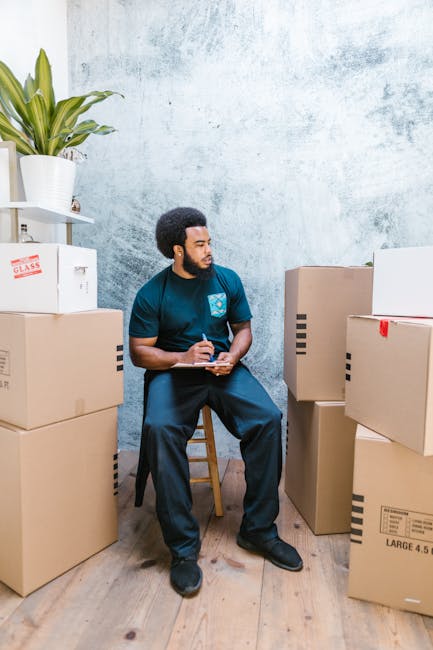
Brunel University student removals checklist UB8

Moving out of Brunel University halls, a shared house, or a studio in UB8 can feel oddly chaotic for something that's meant to be routine. One minute you're sorting lecture notes and half-empty snack cupboards, the next you're wondering where your kettle went, whether the mattress cover is clean enough, and how on earth you're going to fit everything into a van before the final key hand-in. That's exactly why a Brunel University student removals checklist UB8 is worth having. It turns a rushed, forgetful move into a calm, manageable one.
This guide walks you through the full process in plain English: what to prepare, what to pack first, how to avoid last-minute problems, and how to choose a sensible moving option for student life in Uxbridge. If you want a straightforward starting point, the right move is usually to book a service designed for students, such as student removals, and then follow the checklist below so nothing gets missed.
To be fair, most moving stress comes from small oversights rather than huge disasters. A missing charger, an unlabelled box, or forgetting the exact move-out time can cause more hassle than you'd expect. So let's keep this practical, local, and very usable.
- Why Brunel University student removals checklist UB8 Matters
- How Brunel University student removals checklist UB8 Works
- Key Benefits and Practical Advantages
- Who This Is For and When It Makes Sense
- Step-by-Step Guidance
- Expert Tips for Better Results
- Common Mistakes to Avoid
- Tools, Resources and Recommendations
- Law, Compliance, Standards, or Best Practice
- Options, Methods, or Comparison Table
- Case Study or Real-World Example
- Practical Checklist
- Conclusion
- Frequently Asked Questions
Why Brunel University student removals checklist UB8 Matters
Student moves are different from standard house removals. You're usually working with a tighter deadline, fewer hands, smaller rooms, and a lot more fragility than people expect. That includes laptops, textbooks, monitors, bedding, kitchen bits, and the random collection of things students always seem to own by the end of term. If you're in UB8 near Brunel, the timing matters just as much as the packing.
A good checklist does three things. First, it reduces panic. Second, it stops small items getting lost in the shuffle. Third, it helps you decide whether you need a simple vehicle, a full packing service, or a more flexible option like man and van support. That last point matters because not every student move needs a big truck. Sometimes you just need enough space for boxes, a desk lamp, and a suitcase that has somehow become heavier than furniture.
There's also the local reality of living and moving around Uxbridge. Hall corridors can get busy, parking is not always generous, and moving day can feel like a relay race with keys, trolleys, and a slightly stressed housemate. A checklist keeps everyone on the same page. Without it, things get forgotten. With it, the day tends to feel far more controlled.
And if you're moving from a flat or shared accommodation, the checklist also helps you protect your deposit by making sure the place is left tidy, emptied, and ready for inspection. That part alone can save a lot of bother later.
How Brunel University student removals checklist UB8 Works
Think of the checklist as a simple timeline, not a rigid rulebook. It starts with planning, moves into packing, then finishes with handover and settling in. The trick is to work backwards from your move-out date, not forwards from "I'll sort it tomorrow." That phrase has probably caused more student stress than anything else.
In practice, the process usually looks like this:
- Confirm the move date and access details. Check key collection time, lift access, parking restrictions, and whether your belongings need to be moved from an upper floor.
- Sort and reduce clutter. Decide what is going with you, what can be stored, what should be donated, and what is simply no longer worth moving.
- Pack room by room. Bedrooms first, then study items, then kitchen and bathroom items.
- Label boxes clearly. Write the room, contents, and whether the box is fragile or needed first-night.
- Prepare essentials separately. Keep documents, chargers, medication, and one night's worth of clothing somewhere easy to reach.
- Move on the day. Load smartly, protect fragile items, and keep a final room-by-room sweep before leaving.
If you want extra help with the physical side of the move, it can be useful to look at packing and boxes support, especially when you've got more stuff than you thought and not enough time to wrestle with tape at midnight. No judgment there. We've all seen the "I'll do it later" box mountain.
What matters most is that the checklist fits your real situation. Moving from a single room in halls is not the same as moving from a shared house with three friends, a bike, a monitor, and a drying rack. Your checklist should reflect the actual volume, access, and timing involved.
Key Benefits and Practical Advantages
The best student removals checklist is not just about being organised. It gives you a few very real advantages that make the whole move easier on both your time and your nerves.
- Less chance of loss: When everything is grouped, labelled, and checked off, it's much harder to leave behind an extension lead, charger, or passport.
- Faster move-out: Good prep means less standing around on the day, which is useful when keys have to be returned at a specific time.
- Better protection for valuables: Separating fragile tech from books and bedding avoids cracked screens and dented corners.
- More accurate planning: A checklist helps you judge whether you need a van, extra packing help, or temporary storage.
- Lower stress: Honestly, this is the big one. Moving feels much calmer when every task has a place.
There's also a financial advantage, though it's not always obvious at first. Good planning helps you avoid emergency purchases, wasted journeys, and repeat trips. If you've ever found yourself buying new storage boxes at the last second while someone else is waiting outside with the van, you'll know exactly how annoying that gets.
For many students, it also makes sense to compare removal van options with a more flexible man with van setup. The right choice depends on how much you're moving, how much help you need lifting, and how long the access at each address will take.
Who This Is For and When It Makes Sense
This guide is for students at Brunel University in UB8, but it's especially useful if you are:
- moving out of halls at the end of term
- changing from one student house to another in Uxbridge or nearby
- moving into or out of a flat with limited parking
- sharing a move with flatmates and want to split tasks clearly
- returning home for summer and need temporary storage
- trying to move quickly between tenancies with very little gap in between
It also makes sense if you've got a slightly awkward move: top-floor room, narrow stairs, heavy boxes, or more items than your small car can realistically handle. That's where a proper moving plan becomes more than just a nice idea. It becomes the difference between one smooth trip and three exhausting ones.
If you're in a shared flat, the checklist helps avoid the classic end-of-term mess where nobody knows whose box is whose and someone's pan frying pan has ended up in the wrong kitchen. A shared document or even a paper checklist stuck to the fridge can save the day. Simple, but effective.
Step-by-Step Guidance
Here's a practical version of the Brunel University student removals checklist UB8, broken down into stages so you can work through it without feeling overwhelmed.
1. Two to three weeks before moving
Start by confirming your move-out date and time. Check whether your accommodation needs a checkout inspection, whether your keys must be returned in person, and whether there are specific instructions for access. This is also the right time to book transport and estimate how many boxes you'll need.
Make a rough inventory of what you own. It doesn't have to be fancy. A phone note is enough. The aim is simply to avoid underestimating the move. Students often think they own "not much" right until the last day, when the books, kitchenware, and clothes seem to multiply overnight. Funny how that works.
2. One to two weeks before moving
Begin packing non-essential items first. That means spare bedding, out-of-season clothes, decorations, and books you won't need before leaving. Keep your everyday essentials out until the final couple of days. If you have items you won't need immediately at the next place, consider whether storage could help bridge the gap.
This is also a good point to deal with anything you don't want to keep. Sell, donate, recycle, or arrange disposal where appropriate. If you've got bulky furniture or unwanted bits, a service such as furniture removals can help clear the old place efficiently, particularly if you're not taking a desk or shelving unit with you.
3. Three to five days before moving
Now the job gets more specific. Pack your kitchen, bathroom, and study items in separate groups. Wrap fragile things properly. Chargers, USB cables, and small accessories should go into one clearly marked bag or box. It sounds basic, but this is where people lose the most time later.
Tell your housemates or landlord what is being moved and when. If you're working with a service provider, confirm arrival time, address, and any access restrictions. If the move is big enough to need a larger vehicle, an option like removal truck hire may be more suitable than squeezing everything into a smaller van and hoping for the best.
4. The day before moving
Pack a first-night bag. Include toiletries, a change of clothes, medication, phone charger, keys, wallet, and anything you'll need within the first 12 hours. This bag should stay with you, not in the van. A small thing, yes, but it prevents that awful "where's my toothbrush?" moment at 11pm.
Do one final room scan. Look behind doors, under beds, inside drawers, and on windowsills. Students are brilliant at leaving tiny things in plain sight. It happens. More often than anyone admits.
5. On moving day
Start early if you can. Keep pathways clear. Carry boxes carefully rather than overloading them. Heavy books should go into smaller boxes, not giant ones that split halfway down the stairs. If you're using help from a moving team, keep the items grouped by room so loading is quicker and unloading at the destination is easier too.
Once everything is out, check the room again, clean surfaces, and photograph the space if needed for your own records. Then hand back keys as instructed and breathe. Properly breathe. That's the part people forget.
Expert Tips for Better Results
After helping people move in and out of student accommodation, a few habits consistently make the whole process easier.
- Use smaller boxes for books. It sounds obvious, but heavy boxes are the fastest way to create awkward lifting and broken handles.
- Pack by use, not by room alone. Keep "first night" items together so you do not have to unpack everything at once.
- Photograph set-ups before disconnecting them. Especially desk cables, gaming setups, or monitors. Future-you will be grateful.
- Leave a small gap in your schedule. Ten extra minutes can save a lot of rushing when keys, parking, or lift access get delayed.
- Keep cleaning supplies back until the end. You'll likely need them after the last box has gone.
One practical detail that gets overlooked: keep a roll of tape, marker pen, and scissors somewhere you can reach them quickly. Not in a sealed box. Not "somewhere safe." Actually reachable. It's a tiny thing, but on moving day tiny things become very important very quickly.
If you're unsure about transport, it can be useful to compare a simple man with a van move with a full-service option like removal services. The right answer depends on distance, volume, and how much heavy lifting you want to avoid. No need to overcomplicate it.
Common Mistakes to Avoid
Most student moves go wrong in predictable ways. The good news is that they're all avoidable with a bit of planning.
- Leaving packing too late. Night-before packing is stressful and usually messy.
- Mixing important items into general boxes. Chargers, documents, and medication should be kept separately.
- Using boxes that are too large. Huge boxes look efficient until they have to be carried down stairs.
- Forgetting access details. A van cannot magically appear where parking is restricted.
- Not checking what can be left behind. Some landlords are strict, and you do not want avoidable deductions.
- Assuming everyone else is packing the shared items. Fridge contents, cleaning supplies, and kitchen equipment need a clear plan.
A very common one? Forgetting that printers, lamps, and desk accessories often take more time than they should. They're not glamorous, and they're always the last items to be dealt with. Annoying, but true.
Another mistake is ignoring the weather. A dry morning move can suddenly become a wet, slippery afternoon. In Britain, that's not exactly a plot twist. Keep a cover for soft furnishings, and if you're carrying boxes in and out, move carefully near entrances and steps.
Tools, Resources and Recommendations
You do not need a complicated setup to move well. A few basic tools and sensible options are enough.
- Strong tape and markers: Essential for sealing and labelling boxes.
- Sturdy bags or crates: Good for loose items, toiletries, cables, and small accessories.
- Bedding bags or vacuum bags: Handy for duvets, pillows, and clothes.
- Protective wrapping: Useful for glassware, screens, and delicate items.
- Inventory list: A simple note on your phone can track what goes in each box.
- Temporary storage: Helpful if your tenancy end date and new move-in date do not line up.
For many students, the most useful support comes from combining practical packing help with the right transport choice. If you're already stretched for time, look at packing and unpacking services for the fiddly parts, especially if you'd rather focus on exams, hand-ins, or just getting through the end of term without chaos.
If the move is more straightforward, a simple vehicle booking may be enough. If it is more complex, think in terms of access, lifting, and timing rather than just the number of boxes. That way you choose help that actually fits the move, not just the cheapest-looking option.
Law, Compliance, Standards, or Best Practice
For a student move, the main compliance concerns are usually practical rather than legal drama. That said, there are still a few things worth respecting.
First, follow your accommodation rules for move-out times, key returns, and parking. These are not suggestions. If the property or university accommodation team has set specific requirements, stick to them. Second, avoid unsafe lifting. If something is too heavy, ask for help or break it down into smaller parts. That is basic best practice, not overcautious fussing.
Third, choose a mover or service that treats belongings carefully and provides clear terms. If you're comparing providers, it helps to review information such as insurance and safety alongside any terms and conditions. You want clarity on what is included, how items are handled, and what happens if plans change.
Recycling and disposal also deserve attention. If you leave unwanted items behind without permission, that can create avoidable issues. It is usually better to separate reusable items from waste and deal with them properly. A responsible approach is simply good practice, and it tends to reflect well on you too.
Options, Methods, or Comparison Table
Not every Brunel University move needs the same setup. Here's a simple comparison to help you decide what suits your situation.
| Option | Best for | Pros | Possible drawbacks |
|---|---|---|---|
| Self-move with a car | Very small loads, one room, few bulky items | Simple, flexible, no booking required | Multiple trips, limited space, awkward for furniture |
| Man and van | Student rooms, medium loads, short local moves | Flexible, practical, usually cost-effective | May not suit larger or more complex moves |
| Full removal support | Shared houses, larger loads, fragile items, tight timelines | More help, less lifting, better for coordination | More involved than a simple move |
| Storage plus transport | Gaps between tenancy dates or summer break | Protects belongings until you need them again | Requires planning and an extra step |
For many students, the middle option is the sweet spot. A straightforward van booking with help loading and unloading is often enough. But if you've accumulated a lot over the year, or you're moving with flatmates, don't force the smallest possible option just because it sounds efficient. Efficient on paper can become chaotic in real life.
Case Study or Real-World Example
Picture a Brunel student moving out of a shared flat in UB8 after exams. There are three bedrooms' worth of belongings, a bike, two desks, a microwave, kitchen boxes, and a pile of winter clothes that somehow never got sorted. The move-out deadline is early afternoon. No one wants to be the person still loading at the last minute.
In that situation, the best approach is simple. Each person packs their room separately, shared items are sorted in advance, and anything unwanted is separated a few days before the move. Fragile tech is packed first, books are split into smaller boxes, and one person handles labels while another checks hallways and access. The van arrives, the loading is tidy, and the final sweep of the flat takes minutes rather than hours.
What usually makes the biggest difference is not speed. It's clarity. Everyone knows what belongs where, what leaves first, and what stays with the person carrying valuables. That's the real win. No drama. No mystery box. No wandering around at 8pm asking, "Has anyone seen the kettle?"
If there are bulky leftovers or pieces you do not plan to keep, arranging a separate collection can make the move less cluttered. In some cases, a quick furniture pick up is the cleanest way to deal with items that are too awkward to move but still in decent condition.
Practical Checklist
Use this as your working Brunel University student removals checklist UB8. Print it, copy it to your notes app, or tick it off by hand. Whatever works.
- Confirm your move-out date, time, and key handover arrangements
- Check parking, access, and any lift or stairs restrictions
- Book transport early enough to suit your timetable
- Sort items into keep, store, donate, recycle, and dispose
- Pack non-essential items first
- Label every box with room name and contents
- Keep fragile items wrapped and grouped separately
- Pack chargers, documents, medication, and valuables in a separate bag
- Prepare a first-night bag
- Split heavy books into smaller boxes
- Keep cleaning supplies aside for the end
- Take photos of the room before leaving if useful
- Check under beds, inside drawers, behind doors, and on shelves
- Return keys exactly as instructed
- Do one final sweep before the van leaves
Expert summary: The simplest way to keep a student move under control is to reduce clutter early, pack in layers, and treat the first-night essentials as non-negotiable. If you do just those three things well, the rest becomes much easier.
If you're looking at a move that needs professional help rather than a DIY scramble, you may also want to compare removal companies and flexible transport support before deciding. The best choice is the one that fits your volume, access, and time window without turning the day into a puzzle.
Get a free quote today and see how much you can save.
Conclusion
A well-made Brunel University student removals checklist UB8 does more than keep boxes in order. It gives you control on a day that can otherwise feel rushed, noisy, and slightly ridiculous. It helps you pack smarter, move faster, and avoid the kinds of mistakes that always seem small until they become inconvenient.
The real value is peace of mind. When your essentials are packed, your route is planned, and your transport makes sense, the move becomes a task you can actually finish instead of a problem that follows you around for days. That's a good feeling, and honestly, students deserve a bit of that at the end of term.
Take it step by step, stay calm, and keep the process practical. The move will pass. The relief afterwards? That lasts a lot longer.
Frequently Asked Questions
What should be on a Brunel University student removals checklist UB8?
It should cover move-out dates, access details, packing stages, labelling, valuables, cleaning, key return, and a final room check. The more practical the list, the better it works in real life.
How early should I start packing for a student move?
Ideally, start two to three weeks before moving day with non-essential items. Leaving everything until the last evening usually leads to rushed packing and forgotten belongings.
Is a man and van enough for a Brunel student move?
Often, yes. For a single room or a moderate load, it can be the most practical choice. If you have lots of furniture, shared items, or tight access, you may need something more substantial.
What should I pack in my first-night bag?
Keep toiletries, a charger, medication, keys, wallet, a change of clothes, and any important documents with you. That way you are not digging through boxes late at night.
How do I move fragile items safely?
Wrap them properly, keep them separate from heavy items, and label the box clearly. Glassware, monitors, and small electronics should never be left loose with books or random kitchen bits.
Should I use storage during the summer break?
If there is a gap between tenancy dates or you are returning home temporarily, storage can be very useful. It avoids multiple moves and gives you more flexibility with timing.
How can I avoid losing chargers and cables during a move?
Put them in one labelled pouch or box and keep that pouch with your essentials. Chargers are tiny, slippery, and somehow always disappear at the worst moment.
What is the best way to pack books for removal?
Use small, sturdy boxes and keep them reasonably light. Books are deceptively heavy, and oversized boxes become difficult to lift very quickly.
Do I need help with furniture removal as a student?
If you are taking desks, shelving, or other bulky items, help is usually worth it. Furniture can be awkward to carry through tight halls, stairwells, or shared entrances.
Can I compare different moving options before booking?
Yes, and you should. Think about the amount you're moving, the access at both addresses, and whether you need packing help, loading help, or just transport. A good comparison saves hassle later.
What should I check before leaving my room?
Look under the bed, inside drawers, behind doors, on shelves, and in the bathroom if you have one. Small items are easy to miss when the room looks empty at first glance.
How do I make moving day less stressful?
Pack early, label clearly, keep essentials separate, and do not overfill boxes. It sounds simple, because it is. Simple often works best.
Where can I get help with a student move in UB8?
If you want support with packing, transport, or a more organised move, student-focused removal help is a sensible place to start. It keeps the process local, practical, and far less chaotic than doing everything alone.